
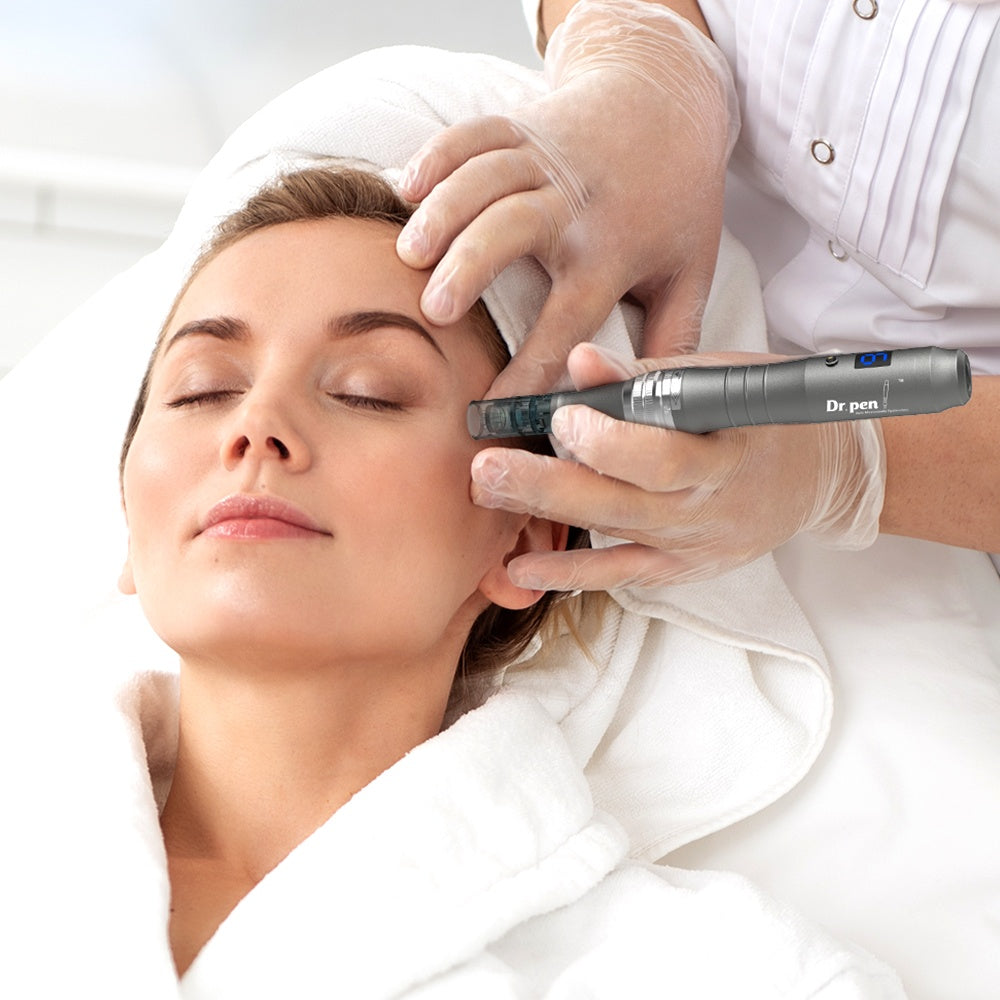
At-home microneedling
-
M8 microneedling device needles
Regular price €28,00Regular priceUnit price per -
M8S microneedling needles
Regular price €29,90Regular priceUnit price per -
Microneedling Pen Pro. Microneedling for home and professional use
Regular price €159,00Regular priceUnit price per€199,00Sale price €159,00Sale -
Dr.pen® M8S Microneedling Pen
Regular price €199,00Regular priceUnit price per€249,90Sale price €199,00Sale -
Bio Pen Q2 3-in-1 Mikroneulauskynä LED-valolla ja Mikrovirralla | Dr. Pen
Regular price €299,00Regular priceUnit price per -
 Sale
SaleDr. Pen M9
Regular price €229,00Regular priceUnit price per€279,00Sale price €229,00Sale


Dr.pen Suomi
LED Light Mask – Brighten and Rejuvenate Your Skin!



Microneedling at home – a guide to safe and effective treatment
At-home microneedling is an increasingly popular way to improve skin texture, boost natural radiance, and support the skin's own renewal process. It is a skincare method where tiny micro-channels are created in the skin, activating the skin's natural processes. When done correctly and regularly, microneedling can enhance the absorption of skincare products and help treat issues such as fine lines, acne scars, and uneven skin texture.
Many people mistakenly think that microneedling always involves strong and deep treatments. In reality, at-home microneedling is lighter and focuses on safe, controlled skin treatment that can be part of a normal skincare routine.
What does at-home microneedling do?
During microneedling, small, controlled micro-channels are created in the skin. This affects the skin in several ways:
- skin permeability temporarily increases
- serums and creams are absorbed more effectively
- the skin's own renewal process is activated
- skin tone and texture may become more even
For home use, microneedling is primarily a supportive skincare treatment, not a treatment of deep skin layers.
How to microneedle at home correctly?
A safe outcome is based on three important factors:
1. The right device
A high-quality microneedling pen, such as DrPen, allows for even and controlled treatment on different skin areas.
2. Good hygiene
The skin must be thoroughly cleansed before treatment. Always use clean and sterile needles.
3. Gentle treatment
Do not press the device too hard. Let the device glide gently over the skin's surface and proceed calmly, one area at a time.
Who is at-home microneedling suitable for?
Microneedling is suitable for most people when the skin is healthy and in good condition. It can be beneficial if you want:
- smoother and more even skin
- brighter skin tone
- better absorption of skincare products
- treatment of minor scars or fine lines
Avoid microneedling if you have active inflammation, acne, or broken skin.
At-home microneedling vs. clinic treatment
At-home microneedling is lighter and intended for regular use, while clinic treatments are deeper and performed less frequently. At-home treatment is particularly suitable for skin maintenance and enhancing skincare in the long term.
What to do after microneedling?
After treatment, the skin is more receptive than usual, so proper aftercare is important:
- use a hydrating serum, such as hyaluronic acid
- apply a soothing cream
- keep your skincare gentle
Avoid strong active ingredients immediately after treatment to allow the skin to calm down.
🔥 Start at-home microneedling with a DrPen device
DrPen microneedling devices are designed for safe and effective home use. They offer a precise and controlled way to treat your skin in your daily life.